
I Don't Feel Like Myself Anymore: Understanding the Emotional Weight of Change
I Don't Feel Like Myself Anymore: Understanding the Emotional Weight of Change
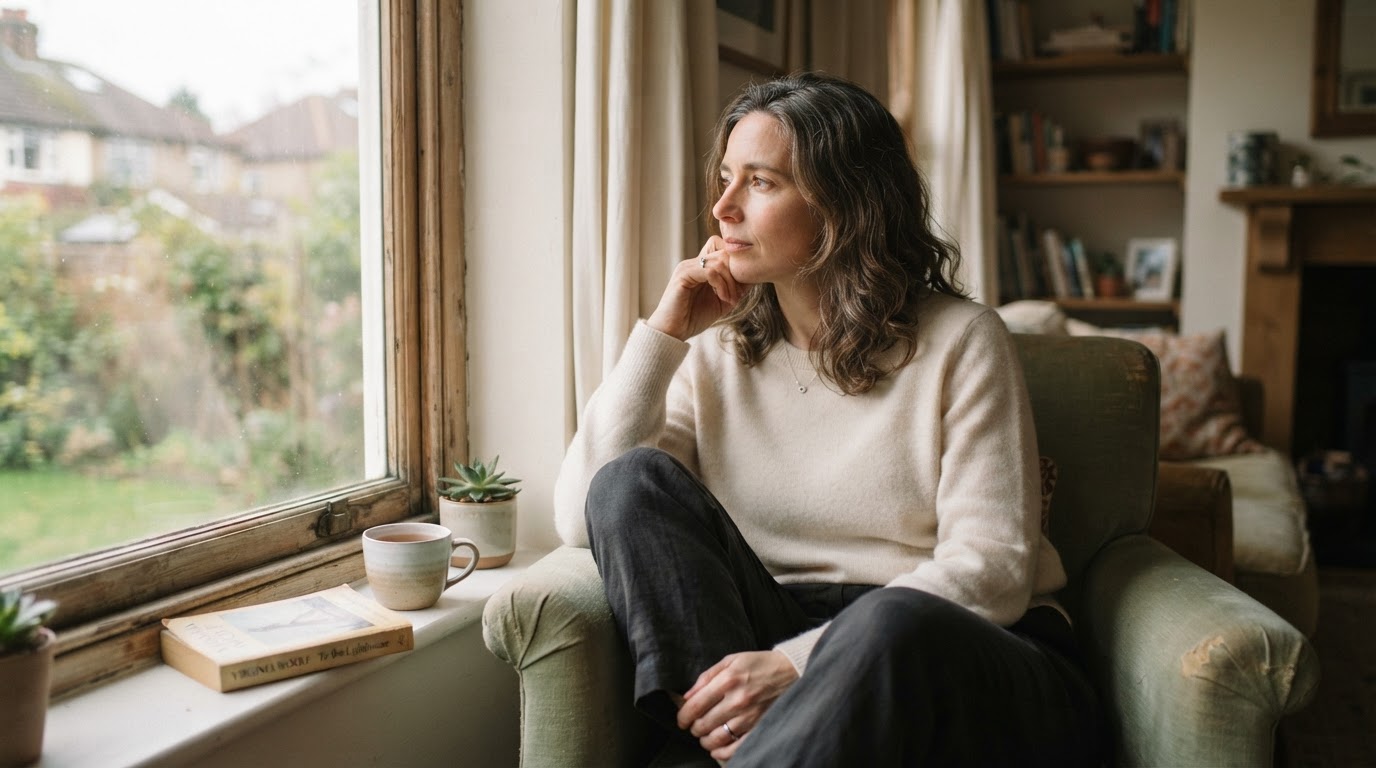
"I don't feel like myself anymore."
It's one of the most common things people say before they begin therapy, and one of the hardest feelings to put into words.
Sometimes it happens after a major life event. Other times, nothing obvious has changed at all. You still go to work, take care of your family, answer texts, and do what needs to be done. Yet something feels different. You feel disconnected from yourself, less motivated, emotionally flat, more irritable, or simply unlike the person you remember.
That experience can be unsettling. It can also leave people wondering whether something is wrong with them.
The truth is, not feeling like yourself doesn't always mean you've lost who you are. Sometimes it means you've been carrying more than your mind and body were meant to hold.
When Stress Reshapes How We Feel
Stress, grief, burnout, chronic illness, hormonal changes, trauma, major transitions, and prolonged caregiving can all affect the way we think, feel, and experience the world. Even positive life changes, such as a new job, marriage, or parenthood, require emotional adjustment. When those demands continue for months or years, it's easy to lose touch with the parts of yourself that once felt familiar.
Research consistently shows that chronic stress affects attention, memory, emotional regulation, and decision-making. When the nervous system spends too much time in survival mode, it has less energy available for creativity, joy, connection, and self-reflection (McEwen & Akil, 2020).
For many people, this doesn't look dramatic. It looks like feeling emotionally exhausted, struggling to concentrate, pulling away from relationships, losing interest in activities you once enjoyed, or feeling disconnected from your own thoughts and emotions.
Identity Isn't Fixed
It's also worth remembering that our identity isn't fixed. We naturally change throughout life. The person you were at 25 may not be the person you are at 45, and that's not necessarily a problem. The challenge comes when those changes happen without intention or awareness, leaving you feeling as though you've drifted away from yourself instead of growing into someone new.
Rather than asking, "How do I get back to who I used to be?" a more helpful question might be:
"What is this version of me trying to tell me?"
That shift in perspective creates room for curiosity instead of self-criticism.
Therapy as Reconnection
Therapy isn't about helping people return to an older version of themselves. It's about understanding what has shaped them, identifying what's no longer serving them, and reconnecting with the values, strengths, and parts of themselves that may have been buried beneath stress, responsibility, or life circumstances. If you're exploring whether individual counseling could help with this process, you don't need to have all the answers before reaching out.
If you've been saying, "I don't feel like myself anymore," know that you're not alone. Sometimes that feeling isn't the end of who you are. It may simply be an invitation to pause, understand what's changed, and intentionally reconnect with the person you want to be moving forward. Many of the common reasons people seek therapy begin with exactly this kind of quiet shift.
References
McEwen, B. S., & Akil, H. (2020). Revisiting the stress concept: Implications for affective disorders. The Journal of Neuroscience, 40(1), 12–21.
World Health Organization. (2019). Burn-out an occupational phenomenon: International Classification of Diseases (ICD-11).
Ready to take the next step?
Schedule a consultation to discuss how we can support you.